Why Does My Skylight Leak When It Rains in Seattle?
Seattle's 38 inches of annual rain finds every weak point in a skylight. Here's why yours leaks, what repairs cost in 2026, and when to call a pro.
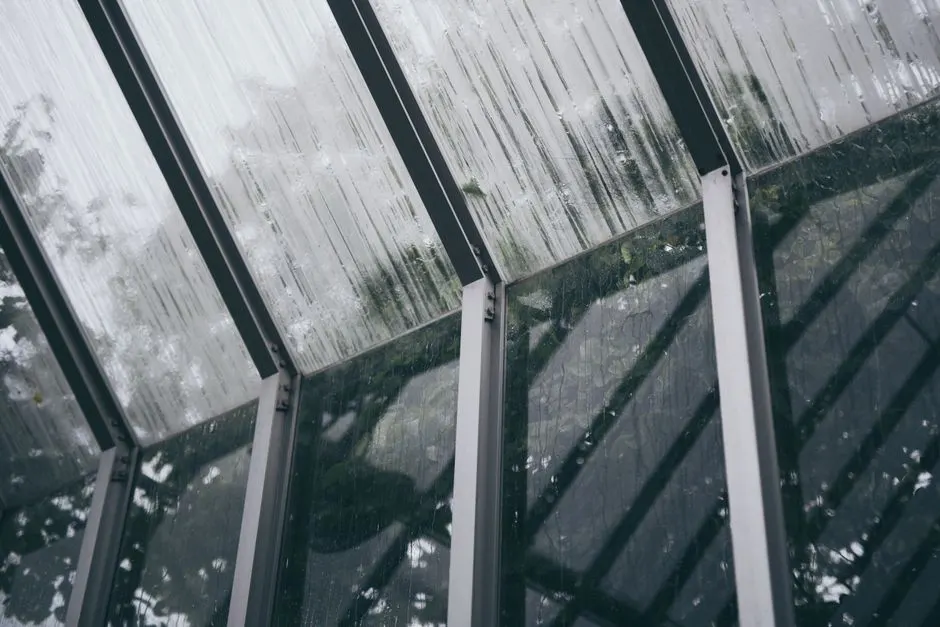
Your skylight leaks when it rains in Seattle because water is getting past the flashing, the sealant, or the glass-to-frame connection - not because skylights are inherently leaky. The most common culprit is failed flashing where the skylight meets the roof plane, followed by dried-out sealant and clogged weep channels. Once we identify which of those is failing, the fix is usually straightforward and permanent.
Seattle averages about 38 inches of rain per year, most of it between October and April. That's a lot of chances for a small breach to become a ceiling stain. Below, we'll walk through the actual causes, what repair costs in 2026, and how to tell whether you're dealing with a skylight problem or a broader roof issue.
The Short Answer: Why Skylights Leak in Seattle Rain
A skylight leaking when it rains in Seattle WA is a water intrusion problem at one of four points: the flashing kit, the sealant bead, the glass seal, or the frame-to-curb connection. Skylights don't fail because they're skylights - they fail because the materials that keep water out degrade faster than most homeowners expect.
Flashing is the metal that bridges the gap between your skylight and the shingles or membrane around it. It's the first line of defense, and it's also the first thing to fail. When flashing pulls away, corrodes, or was installed incorrectly in the first place, water runs straight down the roof plane and into your ceiling.
Sealant is the second line. Most skylight manufacturers use a butyl or silicone sealant that lasts 5 to 10 years in Seattle's climate. After that, it cracks, shrinks, and stops sealing. You won't see it from the ground - you'll see the water stain on your drywall.
The Six Most Common Causes of Skylight Leaks
Here's what we actually find when we open up a leaking skylight in Seattle. These are ranked roughly by how often we see them.
1. Failed or Improperly Installed Flashing
Flashing failures cause roughly 60% of the skylight leaks we repair. The flashing kit has to be woven into the roofing material in a specific sequence - step flashing under the shingles, counter-flashing over the top, and a cricket or saddle behind the skylight on low-slope roofs. If any of those steps is skipped or done in the wrong order, water finds the gap.
On older Seattle homes - especially the 1920s-1950s bungalows in Wallingford Roofing and similar neighborhoods - we often find skylights that were added during a remodel with generic flashing that doesn't match the roof pitch. That's a leak waiting to happen.
2. Dried-Out or Cracked Sealant
Sealant has a lifespan. In Seattle's wet-dry-freeze cycle, that lifespan is shorter than most people think. A bead of silicone that would last 10 years in Phoenix might last 6 or 7 here because of the constant moisture cycling.
When sealant fails, you'll usually see the leak at the perimeter of the skylight, not in the middle. Water seeps under the lifted edge and tracks along the frame until it finds a gap.
3. Clogged Weep Channels
Most skylights have small weep holes or channels designed to drain condensation and minor water intrusion. When those clog with moss, pine needles, or debris - which happens fast in the Pacific Northwest - water backs up and finds another way in.
This is one of the easiest fixes, but it's also one of the most overlooked. If your skylight only leaks during heavy or prolonged rain, clogged weep channels are a strong suspect.
4. Failed Glass or Acrylic Seal
The seal between the glass and the skylight frame can fail over time. On older units - anything installed before about 2010 - the sealant used at the factory may have dried out or separated. Once that happens, water gets between the glass and frame and drips down the inside of the unit.
You can sometimes see this as fogging or condensation between the panes. If you see fog, the seal is already compromised.
5. Condensation, Not a Leak
Not every drip is a leak. Seattle's humidity - often 70-80% in winter - combined with warm interior air can create condensation on the cold skylight glass. That condensation drips down and looks exactly like a leak.
How to tell the difference: condensation drips start shortly after you turn on the heat or after a warm shower. Actual leaks start within minutes of rain beginning and stop when the rain stops.
6. Roof Deck or Underlayment Damage Around the Skylight
Sometimes the skylight itself is fine, but the roof deck or underlayment around it has rotted. This is common on Seattle roofs that have had a slow leak for a season or two. The wood swells, the flashing loses its seal, and the problem compounds.
If we find rot during a Roof Inspection Seattle WA, we'll show you photos and explain what needs to be replaced before we close anything up.
Why Seattle's Climate Makes Skylight Leaks Worse
Seattle's climate is uniquely hard on skylights because of three factors: rain volume, rain duration, and the wet-dry cycle.
First, volume. The city gets about 38 inches of rain annually, but that's not evenly distributed. December alone averages over 5 inches. When you get 2 inches in 24 hours, every small breach becomes a visible leak.
Second, duration. Seattle rain often falls as a steady mist or drizzle for days, not as a short downpour. That means water has hours to find its way past flashing and sealant. A leak that wouldn't show up in a 20-minute storm will absolutely show up after 8 hours of drizzle.
Third, the wet-dry cycle. Our summers are dry - sometimes very dry. That dry air pulls moisture out of sealant and wood, causing both to shrink. Then the fall rains come, the wood swells, and the cycle repeats. After 5 or 6 years of that, sealant that looked fine in July is cracked and useless by November.
Homes in Queen Anne Roofing and other older neighborhoods often have original skylights from the 1970s or 1980s that have been through 40+ of these cycles. At that point, replacement is usually more cost-effective than repeated repairs.
How to Tell If It's the Skylight or the Roof
Before you call anyone, you can narrow down the source. Here's what we tell homeowners to check.
- Timing: If the leak starts within 10-15 minutes of rain beginning, it's likely the skylight flashing or seal. If it takes an hour or more, the water may be traveling from a roof leak elsewhere.
- Location: A stain directly below or slightly offset from the skylight points to the skylight. A stain several feet away - especially near a valley or chimney - points to a roof issue.
- Weather conditions: If it only leaks during wind-driven rain, the flashing on the windward side is the likely culprit. If it leaks in any rain, the seal or glass is more likely.
- Season: If it leaks in winter but not summer, condensation is possible. If it leaks year-round, it's a true leak.
If you're not sure, a professional Roof Leak Repair Seattle WA inspection will tell you exactly where the water is entering. We use moisture meters and sometimes a hose test to trace the path.
What Skylight Leak Repair Costs in Seattle in 2026
Typical 2026 pricing for skylight leak repair in Seattle ranges from $350 to $1,200 for most residential jobs. The wide range reflects how different the fixes are.
Here's a rough breakdown:
- Sealant replacement only: $350-$550. This is the simplest fix - we clean out the old sealant, dry the area, and apply new butyl or silicone. It works when the flashing is intact and the leak is at the perimeter.
- Flashing repair or replacement: $550-$950. This involves removing shingles or roofing material around the skylight, replacing the flashing kit, and re-integrating it into the roof. More labor, more materials.
- Glass or unit replacement: $800-$1,800. If the seal between glass and frame has failed, the unit usually needs to be replaced. This includes the cost of the new skylight and installation.
- Roof deck repair: $400-$1,500 additional. If we find rot, we need to replace the damaged wood before installing new flashing or a new unit.
These are ballpark numbers for standard residential skylights - typically 2x4 or 2x2 feet. Larger custom units, skylights on steep roofs, or skylights that require scaffolding will cost more.
We give you a written estimate before any work begins. No surprises.
Common Mistakes Homeowners Make with Skylight Leaks
The biggest mistake is ignoring the leak because it's "just a drip." A drip that runs for 3 months can rot framing, ruin insulation, and create a mold problem that costs thousands to fix.
Here are the other mistakes we see:
- Slapping sealant on the outside without diagnosing the source. If the leak is coming from failed flashing, sealant won't fix it. You'll just move the water somewhere else.
- Assuming it's condensation when it's actually a leak. Condensation is real, but it's less common than actual leaks in Seattle. If you're not sure, get it checked.
- Hiring the cheapest bid without checking for a license. Skylight repair requires roofing knowledge and, in many cases, a permit. An unlicensed handyman can void your homeowner's insurance coverage if something goes wrong.
- Waiting until spring. Seattle's rainy season runs October through April. If you wait until May, you've given the water 6 months to do damage.
- Not checking the attic. Sometimes the leak is obvious from the attic - you can see the water trail on the underside of the roof deck. That's valuable information for whoever does the repair.
When to Call a Professional
Call a professional if the leak has been active for more than a few days, if you see any sagging or discoloration in the ceiling, or if you can't safely get on the roof to inspect.
We handle skylight leak repair across Seattle, from Ballard Roofing to Capitol Hill Roofing and everywhere in between. Our technicians diagnose the actual source - not just the symptom - and we fix it right the first time.
If you're dealing with a leak that's been patched before and came back, that's a sign the original repair didn't address the root cause. We see that a lot, and we can usually fix it permanently.
For skylight-specific repairs, we offer Skylight Repair Seattle WA with same-day service available in most parts of the city. We'll tell you upfront whether it's a repair or a replacement situation, and we'll show you photos of what we find.
Frequently Asked Questions
Why does my skylight leak when it rains in Seattle?
Your skylight leaks because water is getting past the flashing, sealant, or glass seal. Seattle's 38 inches of annual rain and constant wet-dry cycling degrade these materials faster than in drier climates. Failed flashing is the most common cause, followed by dried-out sealant.
How do I fix a skylight leak in Seattle WA?
The fix depends on the cause. Sealant replacement takes 1-2 hours and costs $350-$550. Flashing repair takes 3-5 hours and costs $550-$950. If the glass seal has failed, the unit needs replacement, which runs $800-$1,800. We diagnose first, then recommend the right fix.
Who does skylight leak repair near me in Seattle?
Seattle Roofing handles skylight leak repair across the city, including Downtown, Ballard, Queen Anne, Capitol Hill, and surrounding neighborhoods. We're licensed, insured, and we've been fixing Seattle skylights for years. Call (844) 468-1599.
How much does skylight leak repair cost in Seattle Washington?
In 2026, most skylight leak repairs in Seattle cost between $350 and $1,200. Simple sealant jobs are at the low end; flashing replacement or unit replacement is at the high end. Roof deck rot adds $400-$1,500 if it needs repair.
Can I get same-day skylight repair in Seattle?
Yes, we offer same-day skylight leak repair in most Seattle neighborhoods when you call before noon. If we can't get there the same day, we'll schedule you for the next available slot and give you a temporary fix if needed to stop the water.
Get Help with Skylight Leak Repair in Seattle
A leaking skylight won't fix itself, and in Seattle's climate, it will get worse before it gets better. We diagnose the actual source, fix it permanently, and clean up after ourselves.
Call Seattle Roofing at (844) 468-1599 for same-day skylight leak repair. We serve homeowners across Seattle and the surrounding areas.