Signs your Seattle roof has storm damage you might be missing
Most storm damage on Seattle roofs hides in plain sight: lifted shingles, granule loss, ceiling stains. Here are the signs to check before the next Pineapple Express hits.
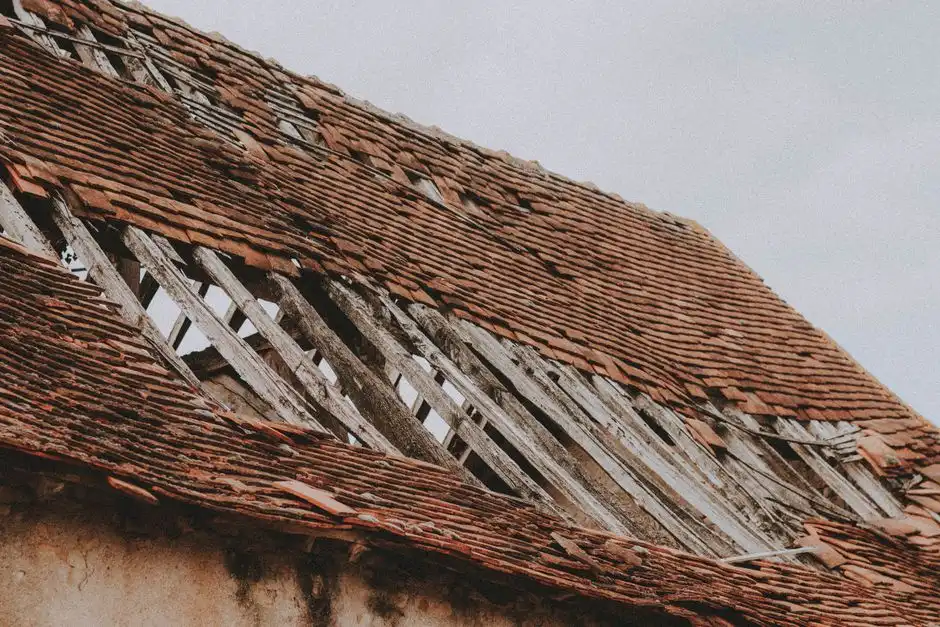
The signs of storm damage on roof Seattle WA homeowners most often miss are lifted or creased shingles, dark patches where granules have washed away, and hairline ceiling stains that appear weeks after the wind stops. Damage rarely announces itself with a hole in the deck. It shows up as small failures that let water in slowly, and by the time you see a drip inside, the plywood underneath has usually been wet for a while.
We are Seattle Roofing, and we have walked thousands of roofs across this city after windstorms, atmospheric rivers, and the occasional surprise hail event. This post covers the specific signs to look for, how to check your own roof safely from the ground, what hail damage actually looks like on a Seattle roof, and when it is time to bring in a professional.
Why Seattle roofs hide storm damage so well
Seattle roofs hide storm damage because our weather does not produce the dramatic, obvious destruction that makes the news in the Midwest or Gulf Coast. We get sustained 40 to 60 mph gusts off Puget Sound, days of sideways rain, and freeze-thaw cycles in the Cascades foothills that work on roofing materials slowly. A shingle that lifts half an inch during a November windstorm may not tear off for another two years, but it is letting water in the whole time.
Our tree canopy makes it worse. The mature Douglas firs, bigleaf maples, and western red cedars that make neighborhoods like Roofing in Queen Anne and Madrona feel like a forest are also dropping branches, needles, and organic debris onto roofs year-round. That debris traps moisture against the shingles, accelerates moss growth, and hides the cracks and lifted edges that would otherwise be easy to spot.
Add in the fact that most Seattle homes have steep-pitch roofs you cannot see from the street, and it becomes clear why so much storm damage goes undetected until it becomes an interior leak.
What are the signs of storm damage on a Seattle roof?
The signs of storm damage on a Seattle roof fall into three categories: things you can see from the ground, things you can see inside your home, and things only a roofer on the roof will catch. Start with the first two before you call anyone.
Signs you can spot from the ground
- Shingles that look out of line. Walk to the far corner of your yard and look along the roof edge. A straight line of shingle tabs that suddenly goes wavy or has one tab sitting higher than its neighbors usually means wind has broken the seal.
- Dark patches or bare spots. Granule loss leaves the asphalt underneath exposed, which looks like a dark smear against the surrounding shingle color. This is one of the most common storm damage roof signs Seattle homeowners overlook because it develops gradually.
- Debris on the roof or in the gutters. Branches, fir needles, and shingle fragments in the gutter are a strong hint that something happened up top.
- Dented gutters, downspouts, or vents. Hail and wind-blown debris leave dents on soft metal. If your downspouts look like someone took a ball-peen hammer to them, hail was likely involved.
- Granules in the gutter or at the bottom of downspouts. A handful of granules after a storm is normal wear. A visible pile is not.
Signs you can spot inside
- Brown or yellow water stains on ceilings and upper walls, especially in upstairs bedrooms and hallways.
- Paint that is bubbling or peeling on a ceiling, which means moisture is trapped behind it.
- A musty smell in the attic, or insulation that looks compressed and dark.
- Daylight visible through the roof boards when you are standing in the attic.
If you are seeing any of the interior signs, the leak has already been active for a while. That is the point where a Roof Leak Repair Seattle WA visit stops being optional.
How to check for storm damage on roof in Seattle WA
To check for storm damage on roof in Seattle WA, stay on the ground and use binoculars, then inspect your attic from inside. Climbing onto a wet, mossy Seattle roof in November is how people end up in the emergency room, and it is not necessary to identify most damage.
Here is the sequence we recommend:
- Walk the perimeter of your house. Look up at every slope with binoculars. Pay attention to ridges, valleys, and the edges where wind gets underneath.
- Check the attic with a flashlight. Look at the underside of the roof deck for dark staining, sagging, or daylight. Check around chimneys, vents, and skylights.
- Look at your ceilings and walls. Any new stain, no matter how faint, is worth investigating.
- Check the gutters after the next rain. Water overflowing in one spot, or granules collecting at a downspout outlet, tells you where the problem is.
- Photograph everything. If you end up filing an insurance claim, dated photos of the damage are the difference between a smooth claim and a fight.
If you want a trained eye on it, we offer a full Roof Inspection Seattle WA that covers the deck, flashing, penetrations, and attic. We tell you what we find and what it will cost to fix, in plain language.
What does hail damage look like on a Seattle roof?
Hail damage on a Seattle roof looks like small circular bruises on the shingle surface, often with a dark center where the granules have been knocked off and the asphalt mat is exposed. On asphalt shingles, you are looking for soft spots the size of a dime to a quarter where the mat has been fractured. On metal roofs, hail leaves dimples that are easy to see in raking light.
Seattle does not get the softball-sized hail that shows up in Texas, but we do get pea-to-marble-sized hail several times a year, usually in late winter and early spring. A 15-minute hailstorm with 1-inch stones is enough to bruise an aging three-tab roof across an entire slope.
The tricky part is that hail damage is nearly invisible from the ground. The granules wash away over the following weeks, so what looked fine the day after the storm can look rough a month later. If you know hail hit your neighborhood, get the roof looked at within 30 days. Insurance carriers in Washington generally want damage reported promptly, and a delayed claim is harder to prove.
Wind damage roof Seattle WA homeowners overlook
Wind damage roof Seattle WA homeowners miss most often is not missing shingles. It is shingles that have been lifted and reseated by the wind, breaking the adhesive seal without tearing the shingle off. From the ground, the roof looks intact. Up close, those shingles are loose, and the next windstorm will finish the job.
We see this constantly after the November and December windstorms that funnel through the Puget Sound lowlands. Gusts of 45 to 60 mph are enough to break the seal on shingles that are more than 10 years old. Once the seal is broken, wind-driven rain gets underneath the shingle and into the underlayment.
Other wind damage to look for:
- Ridge caps that have shifted or cracked.
- Flashing around chimneys and vents that has pulled loose.
- Fascia boards that have separated from the roofline.
- Skylights that have shifted in their frames, which usually shows up as a Skylight Repair Seattle WA call after the first hard rain.
If you live in an exposed neighborhood like Roofing in Belltown or along the water in Leschi, wind exposure is higher and these problems show up faster.
What to watch out for after a storm
The biggest mistake we see after a storm is homeowners waiting to see if a leak develops. By the time water shows up inside, you are usually looking at rotted decking, wet insulation, and possibly mold, not just a shingle repair.
Here is what to watch out for:
- Storm chasers. After every major windstorm, out-of-state crews show up in Seattle knocking doors. They collect a deposit, do quick work, and are gone before the next rain. Ask for a local address and a Washington contractor registration before you sign anything.
- "We will handle your insurance claim for you." A legitimate roofer will document damage and give you an estimate. They will not negotiate your claim or promise a specific payout.
- Pressure to sign the same day. There is no storm damage emergency that requires a signature in your living room within the hour.
- Ignoring small damage because the deductible is high. A $500 shingle repair today prevents a $6,000 deck replacement in two years.
Typical 2026 pricing in Seattle for storm damage roof repair runs $450 to $1,200 for minor shingle and flashing work, $1,500 to $4,500 for moderate damage across a slope, and $8,000 and up if the decking and underlayment need to be replaced. A full roof replacement after a major storm typically lands between $12,000 and $28,000 depending on roof size, pitch, and material.
When to call a professional
Call a professional when you see interior water stains, missing or lifted shingles, dented metal, or granules piling up in the gutters. Those are not maintenance items. They are active water intrusion paths, and every rainstorm makes them worse.
We handle storm damage roof repair Seattle homeowners need after wind, hail, and heavy rain, and we work directly with your insurance adjuster to document what we find. Our team is based here, we know how Seattle roofs are built, and we are on the roof the same week you call. If you are not sure whether what you are seeing is storm damage or normal wear, we will tell you honestly.
Frequently Asked Questions
What are the signs of storm damage on a Seattle roof?
The main signs are lifted or creased shingles, dark patches from granule loss, dented gutters and vents, granules collecting in gutters, and interior ceiling or wall stains. From the ground, use binoculars to check ridges, valleys, and roof edges. From inside, check the attic for daylight, staining, or a musty smell.
How do I check my roof for storm damage in Seattle WA?
Stay on the ground and inspect with binoculars, then check your attic with a flashlight for staining or daylight. Look at ceilings and walls for new water marks. Photograph anything suspicious. Do not walk a wet, mossy Seattle roof yourself. A professional inspection takes about 45 to 60 minutes and gives you a written assessment.
Who does storm damage roof inspection near me in Seattle?
Seattle Roofing performs storm damage roof inspections across Seattle and the surrounding neighborhoods. We check the deck, shingles, flashing, penetrations, and attic, then give you a written report with photos and a repair estimate. We can also document damage for an insurance claim.
Does homeowners insurance cover storm damage in Seattle Washington?
Most Washington homeowners policies cover sudden storm damage from wind, hail, and falling debris, minus your deductible. Normal wear and tear, moss damage, and neglected maintenance are typically excluded. File the claim promptly, document the damage with dated photos, and get a professional inspection before the adjuster visits.
How much does storm damage roof repair cost in Seattle WA?
In 2026, minor storm damage roof repair in Seattle runs $450 to $1,200. Moderate damage across a slope runs $1,500 to $4,500. If decking and underlayment need replacement, expect $8,000 or more. A full replacement after major storm damage typically costs $12,000 to $28,000.
Get help with Roofing in Seattle
If you have spotted any of these signs, do not wait for the next Pineapple Express to find out how bad it is. We will get on your roof, document what we find, and give you a straight answer on what it takes to fix it.
Call Seattle Roofing at (844) 468-1599 to schedule your storm damage inspection or emergency repair.