Preparing your Seattle roof for fall and winter rain
Seattle's rainy season punishes roofs that go into October unchecked. Here's how to prepare your roof for fall and winter rain, what it costs, and when to call a pro.
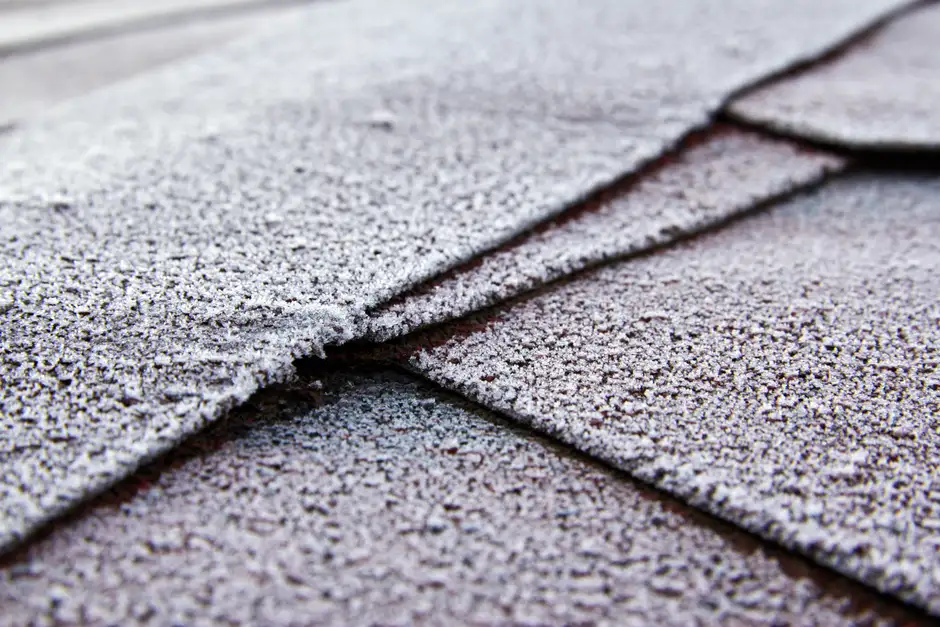
Preparing your Seattle roof for fall and winter rain means clearing every drainage path, sealing the small failures that let water in, and getting a professional inspection done before the first week of sustained rain - ideally between late August and mid-October. Do those three things and your roof handles the 38-plus inches of rain Seattle averages each year without the interior damage that shows up in January. Preparing your roof for fall and winter rain in Seattle WA is a maintenance discipline, not a one-time repair, and the work you do in October is what keeps you dry through March. This guide covers the inspection window, the checklist we run on every home, current 2026 pricing, and the mistakes that turn a $300 tune-up into a $9,000 ceiling repair.
Why Seattle's rainy season is hard on roofs
Seattle does not get dramatic rain; it gets relentless rain. From October through April, the region sits under a pattern of light, steady precipitation that keeps roof surfaces wet for days at a time - and that persistence, not volume, is what destroys roofs here. A roof in Phoenix dries out by 10 a.m. after a storm. A roof in Ballard might stay saturated for a week.
Three local factors make it worse. First, our tree canopy: Douglas fir, bigleaf maple, and cedar drop needles and leaf litter straight onto roof planes and into gutters all fall. Second, our shade. North-facing roof slopes in neighborhoods like Queen Anne Roofing territory rarely see direct sun from November to February, so moss and algae never dry out. Third, our freeze-thaw cycle. Seattle dips below freezing maybe 15 to 25 nights a year, and each one of those nights pushes water into hairline cracks that then expand.
Put those together and you get the pattern we see every winter: a roof that looked fine in September starts dripping into an upstairs closet in December. The failure was set up months earlier.
When should you inspect your roof before winter in Seattle WA?
Inspect your roof before winter in Seattle WA between late August and mid-October - before the first sustained rain event, which typically arrives in the second or third week of October. That window gives you time to schedule repairs and get materials on site without paying emergency rates.
If you have already crossed into November, you are not too late. We do roof inspections in Seattle year-round, and a wet-season inspection still catches active leaks, failed flashing, and clogged drainage before they cause interior damage. What changes is urgency: repairs that could wait three weeks in September need to happen in three days in November.
How often should you do this? Once a year for a roof under 10 years old, twice a year - spring and fall - for anything older, and after any windstorm that drops branches on your property. A roof inspection before winter near me in Seattle WA is the single highest-return maintenance item on a home, because it costs a fraction of the repair it prevents.
The fall roof maintenance checklist Seattle homeowners actually need
This is the fall roof maintenance checklist Seattle homeowners should run every year, in order. Work top-down and you will not miss anything.
- Clear the roof surface. Remove leaves, fir needles, and branches. Needle buildup on a low-slope section holds water against the membrane for weeks.
- Check the flashing. Chimneys, vent pipes, skylights, and valleys are where 80 percent of leaks start. Look for lifted, cracked, or rusted metal and dried-out sealant.
- Inspect shingles or panels. Look for curling, cracking, missing tabs, exposed nail heads, and granules collecting in gutters - all signs the roof is at end of life.
- Clear gutters and downspouts. Water that cannot leave the roof finds another way in.
- Check attic ventilation and insulation. Poor ventilation traps moisture in the attic, which condenses on the underside of the roof deck and rots it from the inside.
- Look inside. Water stains on ceilings, bubbling paint, and musty smells in upstairs rooms are roof leaks until proven otherwise.
- Trim overhanging branches. Keep limbs at least 6 feet off the roof surface to stop abrasion and debris drop.
If you would rather have a trained eye do this, our Roof Inspection Seattle WA service covers all seven items and gives you a written condition report with photos.
Gutter cleaning before winter Seattle: the step most people skip
Gutter cleaning before winter Seattle is the cheapest insurance on your house. A clogged gutter does three things: it backs water up under the roof edge and rots the fascia, it dumps water against your foundation, and it adds hundreds of pounds of standing water weight that pulls the gutter away from the house.
Here is what we see on a typical Seattle home in October. The downspouts are clear at the top and packed solid 3 feet down with compacted fir needles. Water sheets over the front edge of the gutter and lands directly on the porch footing. By February, the fascia board behind that gutter is soft enough to push a screwdriver into.
Clean gutters twice in fall - once in early October after the first big leaf drop, once in late November after the maples finish. If your home sits under Douglas firs, add a third pass in January. And check that every downspout discharges at least 4 feet from the foundation, ideally into a splash block or drain line. If your gutters are sagging, pulling away, or leaking at the seams, that is a Gutter Repair Seattle WA job, not a cleaning job.
Moss, algae, and the wet-side problem
Moss is the number one roof killer in the Pacific Northwest, and it does its damage quietly. Moss roots lift shingle edges, hold moisture against the mat, and eventually create channels that let water wick sideways under the shingles. By the time you see moss from the ground, it has usually been growing for two or three seasons.
Two things matter for control. First, timing: treat moss in early fall, before the wet season gives it four months of ideal growing conditions. Second, method: never pressure-wash asphalt shingles. A pressure washer strips the granules that protect the mat and turns a $400 moss problem into a $12,000 replacement. Proper Roof Moss Removal Seattle WA uses a soft-wash treatment that kills the moss at the root, then a gentle clearing of the dead material.
Algae is the other one - those dark streaks running down north-facing slopes. It is cosmetic in the short term but it degrades shingle performance over years. Zinc or copper strips along the ridge slow it down; a professional soft wash removes it.
How much does fall roof maintenance cost in Seattle Washington?
Typical 2026 pricing in Seattle for fall roof maintenance runs $250 to $600 for a standard single-family home, depending on roof size, pitch, and how much debris has built up. Here is how the individual pieces break down:
- Roof inspection: $150 to $350 for a full inspection with photo report. Many companies credit this toward repair work.
- Gutter cleaning: $150 to $400 for a typical Seattle home, more if gutters are packed or the roof is steep.
- Moss treatment: $300 to $700 for a soft-wash treatment on an average roof.
- Minor repairs (flashing, sealant, a handful of shingles): $200 to $800.
- Full roof replacement: $9,000 to $25,000 depending on size, material, and pitch.
Emergency repair in the middle of a rainstorm costs more - often 1.5 to 2 times the standard rate - which is the whole argument for doing this work in September and October. A $400 fall tune-up routinely prevents a $3,000 to $9,000 interior repair.
Common mistakes to watch out for
These are the mistakes we fix most often, and every one of them makes a small problem bigger.
- Pressure-washing shingles. It strips granules and voids most shingle warranties. Never do it.
- Sealing over wet surfaces. Caulk and sealant applied to a damp roof will fail within one season. Wait for a dry stretch.
- Ignoring the attic. A roof that looks fine from outside can be rotting from the underside because of poor ventilation.
- Waiting for a leak to appear. By the time water shows on your ceiling, it has usually been entering for weeks and traveling along framing.
- Cleaning gutters from a ladder alone. Falls from ladders are the most common roofing-related injury. If your roof is over one story or steeply pitched, hire it out.
- Hiring on price alone. The cheapest bid usually means no insurance, no permit, and no warranty. Ask for the contractor's state registration and liability coverage before anyone gets on your roof.
When to call a professional
Call a professional if you see any of these: water stains on ceilings or walls, granules collecting in gutters, missing or curling shingles, moss covering more than a small patch, daylight visible through the roof deck, or a roof older than 20 years. Those are not DIY items.
We also get called for the situations people cannot safely handle themselves - steep pitches, three-story homes, tile and metal roofs, and anything involving a skylight. If your skylight has been weeping during storms, that is a Roof Leak Repair Seattle WA issue, not a window issue, and it will not fix itself.
If you are weighing repair against replacement, our team walks you through both options with real numbers. We are a Local Roofing Contractor Seattle WA - we find the problem, fix it, and test it before we leave.
Frequently Asked Questions
How do I prepare my Seattle roof for fall and winter rain?
Clear all debris from the roof and gutters, check flashing around chimneys and vents, treat any moss, verify attic ventilation, and get a professional inspection done between late August and mid-October. Budget $250 to $600 for a standard home. The goal is to enter the wet season with every drainage path open and every seal intact.
When should I inspect my roof before winter in Seattle WA?
Late August through mid-October - before the first sustained rain, which usually hits in the second or third week of October. If you miss that window, inspect anyway; wet-season inspections still catch active leaks and failed flashing. Homes over 10 years old should be inspected twice a year, spring and fall.
Who does roof maintenance near me in Seattle?
Seattle Roofing handles full fall and winter roof maintenance across the city, including inspection, gutter cleaning, moss treatment, and repairs. We work in every neighborhood from Ballard to Rainier Valley and can usually schedule within a few days. Call (844) 468-1599 to book.
How much does fall roof maintenance cost in Seattle Washington?
In 2026, expect $250 to $600 for a standard single-family home. Inspection alone runs $150 to $350, gutter cleaning $150 to $400, and moss treatment $300 to $700. Minor repairs add $200 to $800. Emergency mid-storm repairs cost 1.5 to 2 times standard rates, so fall scheduling saves real money.
Can I get same-day roof repair before winter in Seattle?
Yes. We offer same-day roof inspection in Seattle WA and 24/7 roof repair before winter Seattle WA for active leaks and storm damage. Same-day availability depends on weather and current call volume, but we prioritize homes with water actively entering the structure. Call (844) 468-1599 and describe what you are seeing.
Get help with Roofing in Seattle
One inspection in October is worth more than three emergency calls in January. We will tell you exactly what your roof needs before the rain starts - and what it can wait on.
Call Seattle Roofing at (844) 468-1599 to schedule your fall inspection, gutter cleaning, or pre-winter repair.