How to remove moss from your roof without damaging shingles
Moss lifts shingle edges and traps Seattle rain against your deck. Here is how to remove it safely, what it costs in 2026, and when to call a pro.
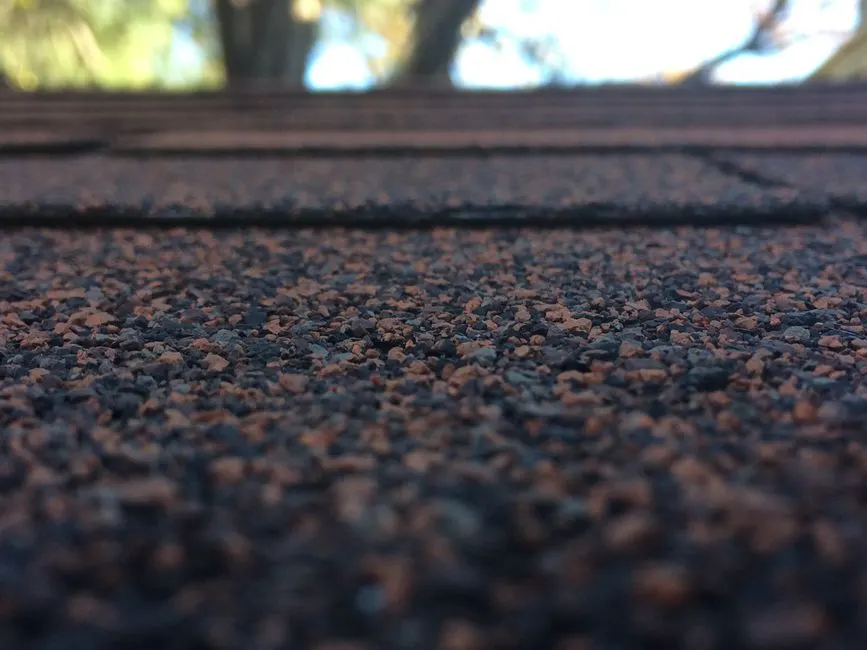
You remove moss from a shingle roof safely by killing it first, letting it dry out, and then lifting it off with a soft-bristle brush or a gentle sweep - never by scraping, pulling, or pressure washing. Moss roots grip the mineral granules on asphalt shingles, so any method that rips the moss off green also rips the granules with it. In Seattle, where roofs stay damp from October through May, that distinction is the difference between a $400 cleaning and a $14,000 replacement.
This guide covers why moss is worse here than almost anywhere in the country, the exact tools and products that work on asphalt shingles, what professional Roof Moss Removal Seattle WA costs in 2026, and the mistakes we see homeowners make every spring.
Why moss grows on Seattle roofs and what it does to shingles
Seattle gets roughly 37 inches of rain a year, most of it between October and April, and the city averages 226 cloudy days. That is a moss greenhouse. Add the tree canopy over neighborhoods like Queen Anne Roofing and Green Lake Roofing, where fir and maple drop needles and shade the north slope all winter, and you have the exact conditions moss needs: moisture, shade, and organic debris.
Moss is not just cosmetic. Here is what it actually does to your roof:
- Lifts shingle edges. Moss grows under the tabs and pushes them up, breaking the interlocking seal that keeps wind-driven rain out.
- Holds water against the deck. A moss mat acts like a sponge. Water that should shed in seconds sits against the underlayment for hours.
- Eats the granules. Those granules are your shingles' UV protection. Once they are gone, the asphalt dries, cracks, and curls.
- Clogs valleys and gutters. Moss debris washes into valleys and downspouts, and backed-up water finds the path of least resistance - usually your ceiling.
A shingle roof that would last 25 years in a dry climate can fail in 12 to 15 years here if moss is left alone. We have pulled shingles off Seattle roofs where the moss root system had penetrated the mat and the decking underneath was soft enough to push a screwdriver into.
How do I remove moss from my roof without damaging shingles in Seattle?
You remove moss from your roof without damaging shingles in Seattle by killing the moss first with a moss treatment, waiting for it to dry and die, then removing the dead material with a soft brush - never by pulling live moss or using a pressure washer. The kill-first approach matters because live moss is anchored to the shingle surface by rhizoids, tiny root-like structures that grip the granules. Dead moss releases that grip and lifts off with almost no force.
If you skip the kill step and start scraping, you will take granules with the moss. Every granule you lose is UV protection you never get back. On a 20-year-old three-tab roof, one aggressive scraping session can age the shingles by five years.
The tools and products that actually work
You do not need much, and most of it is under $60 at a Seattle hardware store. What you must avoid is anything abrasive or high-pressure.
What to use
- Moss treatment: a zinc sulfate or potassium salt-based moss killer labeled for asphalt shingles. Powdered zinc sulfate is the old standard and still works.
- Soft-bristle brush or a plastic leaf rake. Never a wire brush, never a metal scraper.
- Zinc strips: 2- to 3-inch galvanized zinc strips installed along the ridge. Rain washes zinc down the slope and stops moss from returning for 3 to 5 years.
- A garden pump sprayer for liquid treatments on smaller areas.
- Fall protection: a roof harness and a stable ladder. Seattle roofs are steep and wet nine months a year.
What to avoid
- Pressure washers (more on this below).
- Bleach at full strength - it strips granules and kills landscaping below.
- Wire brushes and metal scrapers.
- Walking the roof in the rain or when it is below 40°F. Asphalt shingles get brittle in the cold and crack underfoot.
Step-by-step: safe moss removal for shingles in Seattle WA
Here is the sequence our crews use on asphalt shingle roofs across Seattle. Plan for a dry stretch of at least 48 hours - late July through early September is ideal here, which is why our Roof Cleaning Seattle WA schedule fills up fast in summer.
- Clear the roof surface. Rake off leaves, fir needles, and twigs first. Moss hides under debris, and you want the treatment to hit the moss directly.
- Apply the moss treatment. Follow the label rate. For powdered zinc sulfate, that is typically 3 to 4 ounces per square foot of mossy area. Spray or dust the moss, not the whole roof.
- Wait 2 to 4 weeks. The moss will turn brown, then gray, then release its grip. Do not rush this step.
- Remove the dead moss. Use a soft-bristle brush or plastic rake with light pressure. Work top-down so debris does not pile up in valleys.
- Clean the gutters and valleys. Flush the debris out. If your gutters are sagging or leaking, that is a separate fix - see Gutter Repair Seattle WA.
- Install zinc strips along the ridge if moss has been a recurring problem. This is the single best long-term prevention step for a Seattle roof.
- Inspect the shingles. Look for lifted tabs, exposed nails, and bald spots where granules are gone. If you find them, a Roof Inspection Seattle WA will tell you whether you are looking at a repair or a replacement.
Total time for a typical 1,800-square-foot Seattle rambler: about 4 to 6 hours of work spread over three weekends, plus the wait time.
Can I pressure wash moss off my roof in Seattle Washington?
No. You should never pressure wash moss off an asphalt shingle roof in Seattle or anywhere else. A pressure washer at 1,500 to 4,000 PSI will strip the granules off the shingle surface in seconds, drive water under the tabs and into the deck, and void most shingle manufacturer warranties on the spot.
We get called to inspect roofs every year where a homeowner or a landscaper pressure washed the moss off in spring and the ceiling started leaking by November. The granules are gone, the mat is exposed, and the fix is a full replacement - not a repair.
If your roof is metal, the rules are different and a low-pressure wash is sometimes acceptable. That is a conversation for a Metal Roof Repair Seattle WA specialist, not a general handyman.
Common mistakes that cost Seattle homeowners thousands
These are the ones we see most often, ranked by how much damage they cause.
- Pressure washing. Covered above. Worst offender by far.
- Pulling moss off by hand while it is still green. You will take granules and sometimes the whole shingle tab with it.
- Using bleach or pool chlorine at full strength. It works, but it bleaches the shingles, corrodes flashing and gutters, and kills the plants below.
- Walking the roof in winter. Asphalt shingles below 40°F are brittle. One misstep cracks tabs you cannot see from the ground.
- Ignoring the north slope. That is where moss always starts. If you only treat the south side, you will be back up there in 18 months.
- Letting debris sit in valleys. Moss loves a dammed valley. Clean them every fall after the leaves drop.
- Skipping the zinc strips. Treatment kills what is there. Zinc strips keep it from coming back.
How much does roof moss removal cost in Seattle WA?
Professional roof moss removal in Seattle in 2026 runs $350 to $900 for a typical single-family home, with most jobs landing between $450 and $650. That price includes treatment, removal of dead moss, and gutter clearing. Zinc strip installation adds $150 to $400 depending on ridge length.
What moves the price:
- Roof size and pitch. A steep two-story roof takes longer and needs more fall protection.
- Severity. Light moss on one slope is a half-day job. Heavy moss across the whole roof with debris in the valleys is a full day or more.
- Roof type. Asphalt shingles are the standard. Tile, metal, and flat roofs are priced differently.
- Access. Narrow lots in Capitol Hill Roofing and Belltown Roofing can slow a crew down.
Compare that to a full replacement. A new asphalt roof on a 1,800-square-foot Seattle home runs $14,000 to $26,000 in 2026. Moss removal every 2 to 3 years is cheap insurance.
When to call a professional
Call a professional if your roof is steeper than 6:12, if you have more than one story, if the moss covers more than about 20 percent of the roof surface, or if you can see lifted shingles, exposed nails, or bald spots from the ground. Those are signs the moss has already done structural damage, and a cleaning alone will not fix it.
We also recommend a pro when the moss is in the valleys or around penetrations like chimneys, skylights, and vents. Those are the spots where a small leak becomes a big one. Our team at Seattle Roofing handles moss removal, shingle repair, and full replacements across the city, and we will tell you honestly if you need a cleaning or a new roof. If you are not sure what you are looking at, start with a Roof Repair Seattle WA visit - we will inspect, show you photos, and give you a straight answer.
Frequently Asked Questions
How do I remove moss from my roof without damaging shingles in Seattle?
Kill the moss first with a zinc sulfate or potassium salt treatment, wait 2 to 4 weeks for it to die and release its grip, then remove the dead material with a soft-bristle brush. Never pull live moss or use a pressure washer on asphalt shingles.
What is the safest way to remove roof moss in Seattle WA?
The safest method is a chemical kill followed by gentle manual removal, done in dry weather between July and September. This preserves the shingle granules and avoids the cracked tabs that come from walking a cold, wet roof in winter.
Who does safe roof moss removal near me in Seattle?
Look for a licensed roofing contractor who specializes in moss treatment and shingle care, not a general pressure-washing company. Ask what method they use. If the answer involves a pressure washer, call someone else.
Can I pressure wash moss off my roof in Seattle Washington?
No. Pressure washing strips the protective granules off asphalt shingles, drives water under the tabs, and voids most manufacturer warranties. It is the single fastest way to turn a $500 cleaning into a $15,000 replacement.
How much does professional roof moss removal cost in Seattle WA?
Expect $350 to $900 in 2026 for a typical Seattle home, with most jobs between $450 and $650. That includes treatment, removal, and gutter clearing. Zinc strip installation adds $150 to $400.
Get help with Roofing in Seattle
Moss does not get better on its own, and every wet season you wait costs you shingle life. Whether you need a one-time cleaning, zinc strips, or a full assessment, our team handles it start to finish.
Call Seattle Roofing at (844) 468-1599 for a free estimate on roof moss removal anywhere in Seattle.