Ballard and Fremont roof maintenance guide for older homes
Older Ballard and Fremont homes need a different roof maintenance rhythm. Here's what to check, what it costs in 2026, and when to call a roofer in Seattle.
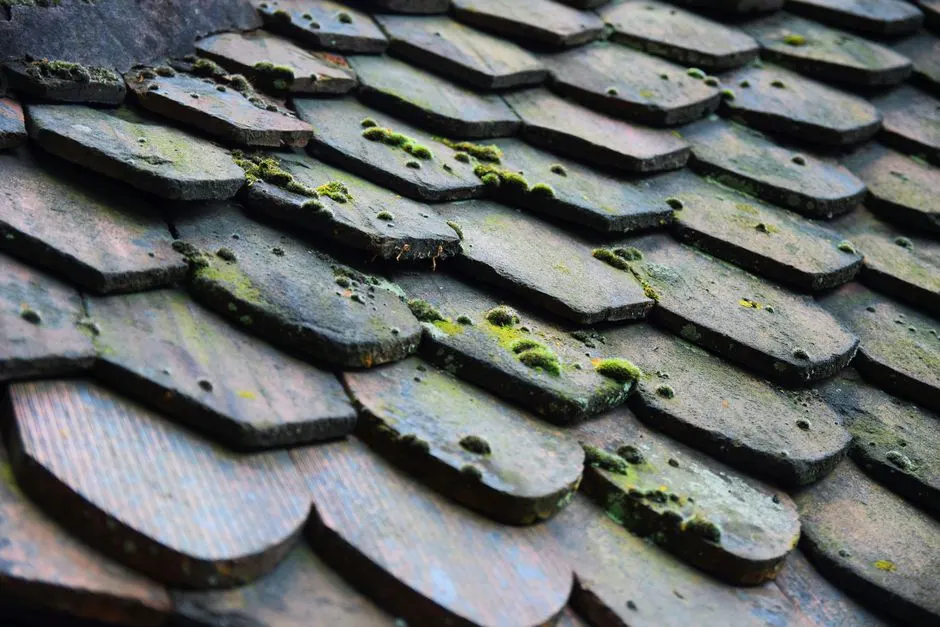
Older homes in Ballard and Fremont need roof maintenance every six to twelve months, not the two-to-three-year cycle that works on newer construction. That tighter schedule exists because most of these houses were framed and roofed between 1900 and 1950, when skip sheathing, 1x fascia, and hand-nailed cedar were the norm, and those materials age on a different curve than plywood and architectural shingles. Roof maintenance for older homes in Ballard Fremont Seattle WA is really a discipline of catching small failures before the next Pineapple Express rolls through.
We work on these roofs every week. Below is what we look for, what it costs in 2026, and the specific failure points we see over and over on Ballard and Fremont houses.
Why older Ballard and Fremont roofs fail differently
Older Ballard and Fremont roofs fail at the penetrations and the edges first, not in the middle of the field. On a 1920s bungalow off Market Street or a 1910 four-square near the Fremont Bridge, the shingle field is usually the last thing to go. What goes first is the flashing around the chimney, the step flashing where the porch roof meets the wall, and the drip edge that has been repainted four times instead of replaced.
Skip sheathing is the other big difference. Instead of a solid plywood deck, many of these roofs are built on 1x4 or 1x6 boards spaced an inch or two apart. That's fine when the roofing is intact. Once water gets through, it drops straight into the attic and onto the insulation, and you find out about it from a ceiling stain, not from a soft spot on the deck. There's no plywood layer to slow the leak down.
If your roof has reached the end of its service life, patching stops making sense. We walk Ballard homeowners through that decision honestly, and when replacement is the right call we handle Roof Replacement Seattle WA with the same crew that does our repair work.
What should you check on an older Seattle roof each season?
You should check four things on an older Seattle roof every fall and again in early spring: the attic for staining, the gutters for granule buildup, the flashing at every wall and chimney, and the moss line along the north slope. Those four checks catch roughly 80 percent of the problems we get called out for.
Here's the walkthrough we recommend to homeowners, in order:
- Attic first, from inside. Take a flashlight up after a heavy rain. Look at the underside of the roof deck and the rafters for dark streaks, white mineral staining, or damp insulation. On skip-sheathed roofs, water shows up here before it shows up anywhere else.
- Gutters and downspouts. Scoop a section by hand. If you're pulling out shingle granules by the handful, the shingles are shedding and you're on borrowed time. If you're pulling out moss, the north slope is next.
- Flashing. From the ground with binoculars is fine. Look for lifted step flashing, cracked tar at the chimney, and rust streaks on the siding below any roof-to-wall junction.
- Moss and debris. Check the north and east slopes. That's where moss establishes first in Ballard and Fremont because those faces stay wet the longest.
If you'd rather have someone who does this daily put eyes on it, a proper Roof Inspection Seattle WA takes about 90 minutes on a typical Ballard bungalow and gives you photos of every issue, not a verbal summary.
Moss, rain, and the Ballard/Fremont microclimate
Ballard and Fremont get roughly 37 inches of rain a year, and most of it falls between October and April. That's the same as the rest of Seattle, but the tree canopy and the tight lot spacing in these neighborhoods change how long a roof stays wet. A roof under a mature Douglas fir on a Ballard street can stay damp 48 hours longer after a storm than an exposed roof in West Seattle.
Moss is the visible symptom. The real damage is what moss does underneath: it lifts shingle edges, holds moisture against the mat, and eventually works its way under the flashing. By the time you see a green stripe from the sidewalk, the moss has usually been there two or three seasons.
We treat moss with a zinc or potassium-based application rather than pressure washing, because pressure washing on a 30-year-old three-tab roof will strip granules and shorten the roof's life by years. If you're seeing moss on more than a quarter of the north slope, it's time for Roof Moss Removal Seattle WA before the winter rains set in.
Common roof problems in older Seattle homes
The most common roof problems in older Seattle homes are flashing failures at chimneys and sidewalls, moss-driven shingle damage, cracked pipe boots, and gutters that have pulled away from the fascia. Almost none of these are the shingles themselves.
Here's the short list we see on Ballard and Fremont roofs, roughly in order of frequency:
- Failed chimney flashing. Tar patches from the 1990s have dried and cracked. Water runs behind the flashing and down the chimney chase.
- Cracked pipe boots. The rubber collar around plumbing vents hardens and splits after 10 to 15 years. A $15 part, but a real leak if ignored.
- Moss and lichen on north slopes. Lifts shingle edges and traps moisture.
- Rusted or missing drip edge. Common on 1920s and 1930s homes where the original metal was never replaced.
- Sagging gutters. Original 4-inch gutters on older homes can't handle modern rainfall intensity. Water backs up under the bottom shingle course.
- Skylight leaks. Popular in 1970s and 1980s remodels across Fremont and Wallingford. The sealant around the frame is usually the failure point, not the glass.
If you're seeing water inside during a storm, that's a leak, not maintenance. We handle Roof Leak Repair Seattle WA with same-day response on most calls in the Ballard and Fremont area.
What does roof maintenance cost in Ballard and Fremont in 2026?
Typical 2026 pricing in this area runs $350 to $650 for a maintenance visit on a single-family Ballard or Fremont home, and $900 to $1,800 for a full moss treatment plus gutter cleaning on a larger or heavily treed lot. Those are real numbers from our own jobs, not national averages.
Here's how the line items break down for a typical 1,800-square-foot bungalow:
- Roof inspection with photo report: $250-$450
- Moss treatment (zinc or potassium-based): $400-$900 depending on roof size and moss coverage
- Gutter cleaning and minor re-securing: $200-$450
- Pipe boot replacement: $150-$300 per boot
- Chimney flashing rebuild: $600-$1,400
- Small shingle repairs (under 100 sq ft): $350-$800
What pushes a job to the high end is access. A steep 10/12 pitch on a Queen Anne-style home, a three-story Fremont house with no side yard, or a roof with three separate levels all add labor. We give you a flat price before we start, so the number you hear is the number you pay.
If your maintenance visit turns up something bigger, we'll tell you. Sometimes the right answer is a targeted repair, and sometimes it's a full Roof Repair Seattle WA scope. We don't sell replacement on a roof that has five good years left.
Common mistakes we see on older Ballard and Fremont roofs
The biggest mistake we see on older Ballard and Fremont roofs is treating them like new construction. A 1925 bungalow and a 2015 townhouse do not want the same maintenance schedule, and they definitely don't want the same products.
Here's what to avoid:
- Pressure washing. It strips granules, drives water under shingle edges, and on older roofs it can crack brittle felt. Don't do it.
- Tar as a permanent fix. Roofing cement is a temporary patch. On a chimney flashing that's failed, tar buys you one season, not five.
- Stacking new shingles over old. It's tempting on a tight budget, but on skip sheathing it traps heat, adds weight, and hides deck rot until it's expensive.
- Ignoring the attic. If you never go up there, you're finding out about leaks from the ceiling, which means the damage is already done.
- Skipping fall maintenance. The October-to-November window is when you want moss treated and gutters cleared. Waiting until January means working in the rain on a wet roof.
- Hiring whoever knocks on the door after a storm. Storm chasers follow the weather. Local crews are here in June.
One more: don't let a small flashing repair sit for two winters. A $600 flashing rebuild in October is a lot cheaper than a $4,000 ceiling and insulation repair in March.
When to call a professional
Call a professional when you see water inside, when moss covers more than a quarter of any slope, when granules are collecting in your gutters in visible amounts, or when your roof is more than 20 years old and has never had a documented inspection. Those are the four triggers.
We're a local crew, not a franchise. We work on Ballard and Fremont roofs because we live and work here, and we know what a 1920s bungalow on NW 65th needs versus a 1940s Cape Cod off Phinney Ridge. If you're not sure whether you're looking at a maintenance issue or a repair, we'll come out and tell you straight.
If you're in the neighborhood and want a second opinion on a roof, we're happy to take a look. You can see the full range of what we do for Roofing in Ballard and Roofing in Fremont on our neighborhood pages, or just call and describe what you're seeing.
Frequently Asked Questions
How do I maintain the roof on an older home in Ballard Seattle?
Inspect the attic after every heavy rain, clean gutters twice a year, treat moss on north slopes each fall, and have a professional inspection every 12 to 18 months. Older Ballard homes on skip sheathing need that tighter cadence because leaks show up inside before they show up on the roof.
Who does roof repair for older homes in Fremont Seattle WA?
We do. Seattle Roofing works on older Fremont homes weekly, including 1900s-1940s bungalows, four-squares, and 1970s remodels with skylights. We handle flashing, moss, pipe boots, gutters, and full repairs on these roofs.
What are common roof problems in older Seattle homes?
The top five are failed chimney flashing, cracked pipe boots, moss on north slopes, rusted drip edge, and sagging gutters. Shingle failure is usually last. Most of the leaks we fix on older Seattle homes start at a penetration or an edge, not the middle of the roof.
How much does roof maintenance cost in Ballard Seattle?
In 2026, expect $350-$650 for a standard maintenance visit, and $900-$1,800 for moss treatment plus gutter cleaning on a larger or heavily treed lot. Chimney flashing rebuilds run $600-$1,400. We quote a flat price before we start.
Can I get same-day roof repair in Fremont Seattle?
Yes, for active leaks and storm damage we run same-day service in Fremont and Ballard on most weekdays, and 24/7 emergency response when a storm is moving through. Call and describe what you're seeing so we bring the right materials.
Get help with Roofing in Seattle
If your Ballard or Fremont roof is due for a maintenance visit, or you've spotted something that looks like a leak, we can take a look this week. We work on older Seattle homes every day and we'll tell you plainly whether you need a repair, a treatment, or nothing at all.
Call Seattle Roofing at (844) 468-1599 to schedule a roof inspection or maintenance visit.